- Retail Insurance
- Business Insurance
- Resources
- Claims


Fatty liver has emerged as a major health concern in India, often developing without obvious symptoms in its early stages. Studies show that the overall prevalence of Non-Alcoholic Fatty Liver Disease (NAFLD) among adults in India is around 38.6%, meaning nearly 1 in 3 adults may already have fatty changes detected through medical imaging or clinical evaluation. To learn more about this disease, read along.
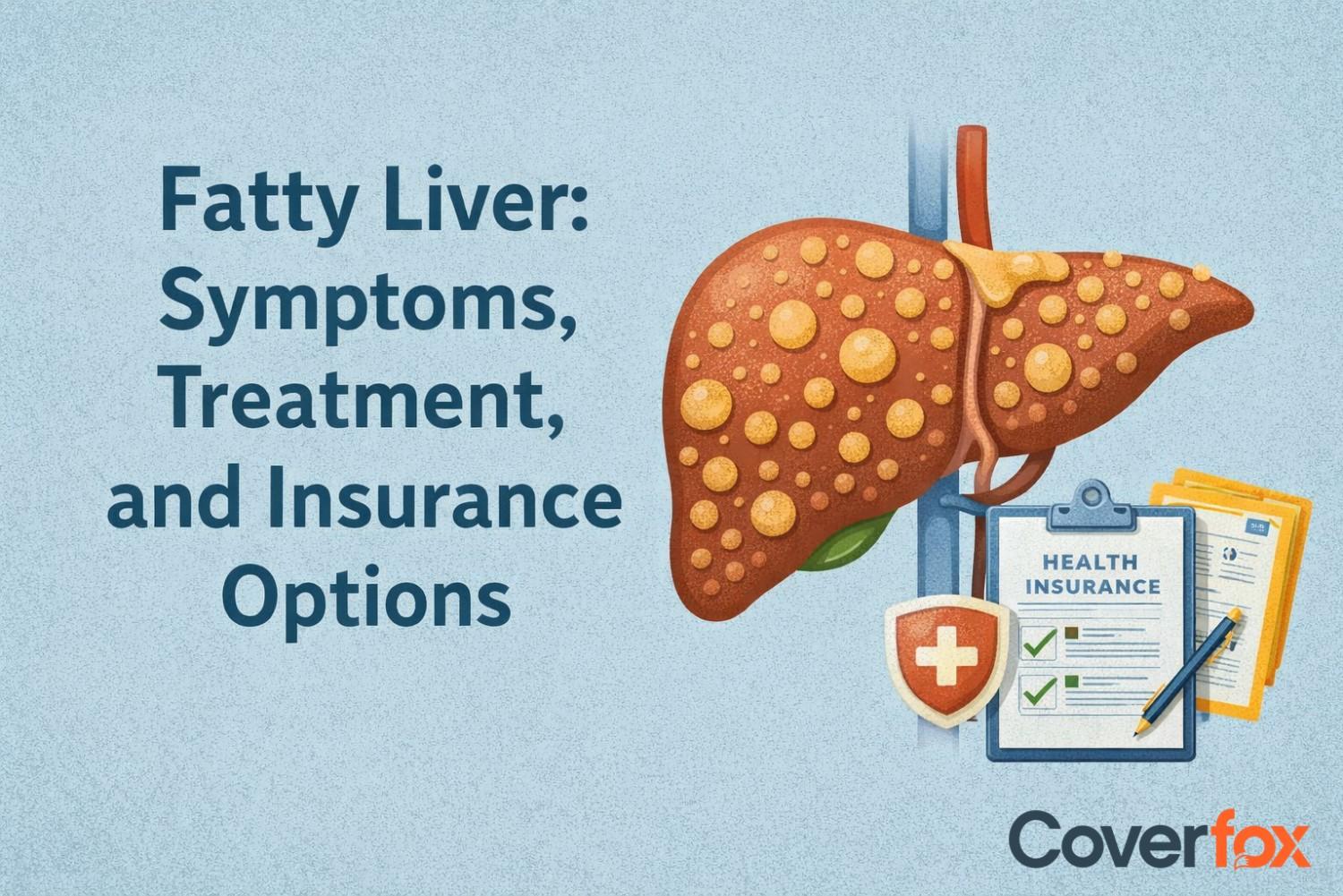
Fatty liver disease, or hepatic steatosis is a condition in which excess fat accumulates in liver cells, affecting the liver’s ability to function properly. It can develop due to excessive alcohol consumption or even in people who drink little or no alcohol, largely due to metabolic and lifestyle factors. Over time, this fat build-up can trigger liver inflammation, leading to scarring (fibrosis) and, in severe cases, irreversible damage such as cirrhosis or liver failure if left untreated.
Fatty liver disease is broadly classified based on its underlying cause and clinical presentation, with each type carrying different health risks and outcomes.
Develops due to excessive and prolonged alcohol consumption, where alcohol metabolism leads to fat accumulation, liver inflammation, and progressive damage if drinking continues.
Happens in people who consume little or no alcohol and is commonly linked to obesity, diabetes, and metabolic disorders. It includes:
Simple Fatty Liver (Steatosis): Fat accumulation without significant inflammation or liver damage.
Non-Alcoholic Steatohepatitis (NASH): A more severe form involving liver inflammation and cell damage, which can progress to fibrosis or cirrhosis.
A rare but serious condition that develops during late pregnancy, leading to rapid liver dysfunction and requiring immediate medical attention.
Fatty liver disease develops and progresses slowly, often without noticeable symptoms in the early phases. If left unmanaged, it can advance to serious and irreversible liver damage.
Excess fat builds up in liver cells without any significant inflammation or damage. This stage is often reversible with lifestyle changes.
Fat accumulation begins to trigger liver inflammation and liver cell injury, increasing the risk of progression.
Persistent inflammation leads to the formation of scar tissue in the liver, affecting normal liver function but still potentially reversible with timely treatment.
Extensive scarring causes permanent liver damage, significantly impairing liver function and increasing the risk of liver failure and liver cancer.
The culprits behind fatty liver usually arise from a combination of lifestyle, metabolic, medical, and physiological factors:
Excessive alcohol consumption
Obesity and excess body weight
Poor diet high in sugar, refined carbohydrates, and unhealthy fats
Sedentary lifestyle and lack of physical activity
Type 2 diabetes and insulin resistance
High cholesterol and triglyceride levels
Metabolic syndrome
Rapid weight loss or poor nutrition
Certain medications that affect liver metabolism
Chronic viral infections such as Hepatitis C
Hormonal and metabolic changes during pregnancy (rare cases)
Genetic or inherited metabolic disorders affecting fat metabolism
Fatty liver disease often develops silently, with many people experiencing little to no symptoms in the early stages. As the condition progresses, symptoms may gradually become more noticeable.
Persistent fatigue or weakness
Discomfort or pain in the upper right abdomen
Unexplained weight gain or difficulty losing weight
Loss of appetite or nausea
Abdominal bloating
Yellowing of the skin or eyes (jaundice) in advanced stages
Swelling in the legs or abdomen in severe liver damage
Fatty liver disease is often detected during routine health check-ups or while investigating unexplained liver-related symptoms. Doctors use a combination of clinical evaluation, blood tests, imaging, and sometimes specialised tests to confirm the diagnosis.
Medical history and physical examination to assess risk factors such as obesity, diabetes, and alcohol intake
Blood tests (liver function tests) to check elevated liver enzymes, indicating liver stress or inflammation
Imaging tests such as ultrasound, CT scan, or MRI to detect fat accumulation in the liver
FibroScan or elastography to assess liver stiffness and detect fibrosis
Liver biopsy in selected cases to confirm inflammation, scarring, or disease severity
When fatty liver disease is left unchecked, it can lead to long-term complications that affect liver health as well as other vital organs. These complications often develop gradually and may become life-threatening if not managed early.
Excess fat in the liver can irritate liver cells over time, leading to ongoing inflammation that interferes with normal liver processes and gradually weakens liver health.
As the liver repeatedly tries to heal from inflammation, it forms stiff scar tissue that limits blood flow and reduces the liver’s ability to function efficiently.
Extensive scarring permanently alters the liver’s structure, affecting vital functions such as detoxification, digestion, and protein production.
When liver damage becomes severe, the organ may no longer perform essential tasks like filtering toxins, regulating clotting, and maintaining fluid balance.
Long-term liver damage can cause abnormal cell growth, significantly increasing the risk of developing primary liver cancer.
Fatty liver disease often coexists with conditions like high cholesterol, diabetes, and obesity, raising the risk of heart attacks, strokes, and other metabolic complications.
Medical treatment for fatty liver disease focuses on controlling disease progression, managing complications, and treating underlying metabolic conditions. These treatments are usually prescribed and monitored by a doctor based on disease severity and individual health status.
Since fatty liver is closely linked to diabetes, obesity, and lipid disorders, doctors may prescribe medications to control:
Blood sugar levels (antidiabetic medicines to reduce insulin resistance)
Cholesterol and triglycerides (statins or lipid-lowering drugs)
Proper metabolic control helps reduce liver stress and slows disease progression.
In selected cases, doctors may prescribe medicines aimed at reducing liver inflammation and oxidative stress. These treatments are typically considered when inflammation or liver cell injury is evident and are given under strict medical supervision.
Certain patients may benefit from prescribed antioxidant therapy, such as vitamin-based treatment, which can help reduce liver cell damage. These are not self-medication options and should only be taken when advised by a healthcare professional.
For alcoholic fatty liver disease, complete medical management includes supervised alcohol cessation, nutritional support, and treatment of withdrawal symptoms if required. Early medical intervention can significantly improve liver recovery.
When fatty liver progresses to severe liver damage, medical treatment may involve medications to manage complications such as fluid retention, bleeding risk, or infections. These patients often require specialist care from a hepatologist.
In rare cases of end-stage liver failure where medical therapy is no longer effective, patients may be evaluated for liver transplantation. This is considered only after a comprehensive assessment and when all other treatments fail.
Important note:
Medical treatment plans for fatty liver disease are highly individualised. Always consult a qualified doctor for diagnosis, treatment decisions, and long-term management.
Fatty liver disease can often be prevented by taking up healthy lifestyle habits that reduce metabolic stress on the liver. Consistent preventive measures not only protect liver health but also lower the risk of related conditions such as diabetes and heart disease.
Helps burn excess fat, improves insulin sensitivity, and prevents fat accumulation in the liver.
A diet rich in whole foods, fruits, vegetables, lean proteins, and healthy fats reduces liver fat and inflammation
Maintaining stable blood sugar levels prevents excess fat storage and liver damage
Keeping lipid levels in check lowers fat deposition and inflammation in liver cells
Prevents metabolic overload and reduces strain on the liver
Reduces liver stress and lowers the risk of fat accumulation and inflammation
Enable early detection and timely management of liver-related issues
A liver-friendly diet helps reduce fat accumulation, improve metabolism, and support overall liver function when followed consistently.
Fresh fruits and vegetables rich in fibre and antioxidants
Whole grains like oats, brown rice, and millets
Lean protein sources such as pulses, beans, fish, and eggs
Healthy fats from nuts, seeds, and olive oil
Low-fat or toned dairy products
Adequate water to support digestion and detoxification
Sugary foods, sweets, and sweetened beverages
Refined carbohydrates like white bread and maida-based foods
Fried, fast, and processed foods
Red and processed meats
Excess salt and packaged snacks
Alcohol, as it directly worsens liver damage
Simple, balanced dietary choices made consistently can significantly improve liver health and prevent fatty liver progression.
Treatment costs for fatty liver disease in India can vary widely depending on disease severity, investigations, and care setting — ranging from modest outpatient management (diet, tests and follow-ups) to higher costs if specialised procedures or longer hospital stays are required, calling for health insurance as backup.
A health insurance policy that covers liver conditions, including fatty liver, can help significantly reduce the financial burden associated with diagnosis, treatment, and follow-up care. While specific inclusions may vary across insurers and plans, most comprehensive health insurance policies typically offer:
Pre- and post-hospitalisation cover for consultations, tests, and medicines
Emergency road ambulance expenses for urgent transfers
Day-care procedures that do not require extended hospital stays.
Organ donor expenses, if applicable for advanced liver care
Wellness support and health coaching to manage lifestyle and long-term liver health
Cashless hospitalisation at network hospitals for eligible treatments
NOTE: These are common inclusions offered by many insurers, but features and benefits differ across plans and companies. Always check policy terms, waiting periods, and exclusions to ensure you’re not paying for features you don’t need.
The information provided in this article is for general awareness and educational purposes only. It should not be considered a substitute for professional medical advice, diagnosis, or treatment. Always consult a qualified doctor or healthcare professional for personalised medical guidance. Health insurance coverage, inclusions, and waiting periods may vary by insurer and policy—please refer to your policy document for accurate and complete details.
Fatty liver refers to a condition where excess fat builds up in liver cells, affecting the liver’s normal functioning and increasing the risk of liver-related complications over time.
Fatty liver can be reduced through regular physical activity, a balanced diet, weight management, controlled blood sugar and cholesterol levels, and avoiding excessive alcohol intake.
Yes. In its early stages, fatty liver can often return to normal with timely lifestyle changes, medical guidance, and consistent follow-up.
A fatty liver diet focuses on whole foods such as fruits, vegetables, whole grains, lean proteins, and healthy fats, while limiting sugar, refined carbohydrates, fried foods, and alcohol.
Grade 1 fatty liver is the mildest form, where a small amount of fat is present in the liver without significant inflammation or damage, and it is usually reversible.
Yes. Fatty liver is largely reversible in the early stages, especially when the underlying causes are addressed through lifestyle and medical management.
Yes. Fatty liver is closely linked to metabolic conditions and can increase the risk of heart disease, diabetes, and other organ-related complications.
Health insurance may cover pre-existing fatty liver after the applicable waiting period, which varies by insurer and policy terms.
While early fatty liver may not cause immediate symptoms, it can become serious if left untreated, potentially leading to long-term liver damage and other health complications.